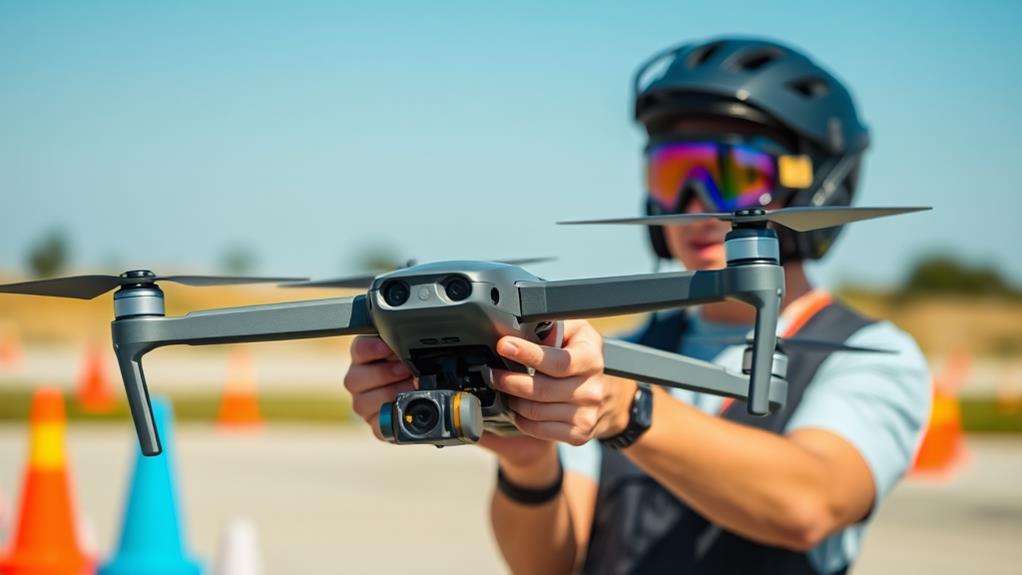
To excel as a competitive drone pilot, prioritize safety across several key areas. Start by ensuring you comply with regulations, like obtaining your remote pilot certification and registering your drone with the FAA. Master basic flight maneuvers and always maintain visual line of sight to enhance control. Prepare for emergencies by knowing landing techniques and monitoring battery life. Conduct regular maintenance on your drone and keep an eye on weather conditions, as wind and temperature can affect performance. Engaging with the community fosters trust and understanding of drone use. There's a lot more to discover to enhance your skills and safety.
Regulatory Compliance Essentials
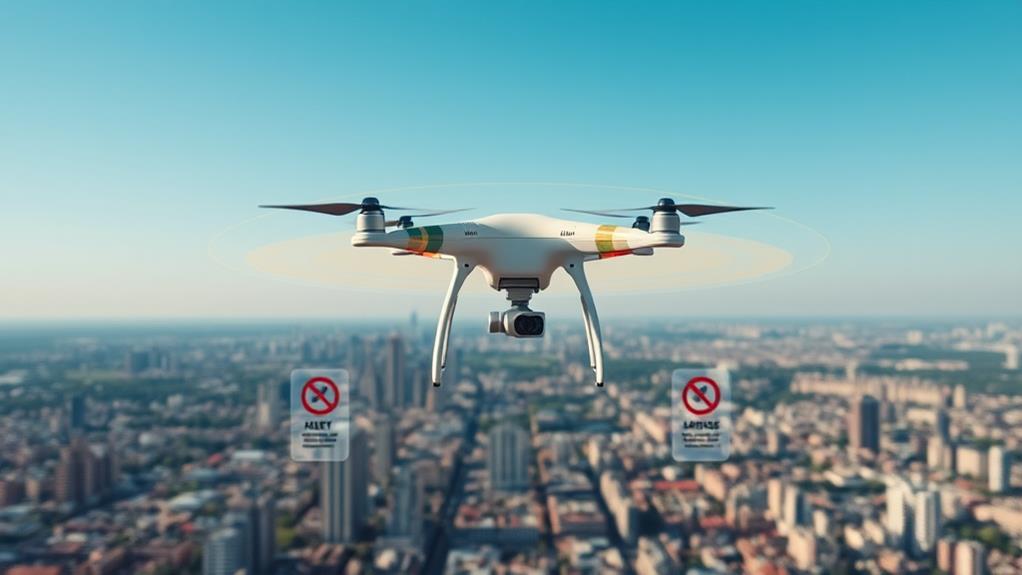
When it comes to flying drones, staying compliant with regulations isn't just a formality; it's fundamental for your safety and success as a pilot. As a competitive pilot, you need to obtain remote pilot certification under FAA Part 107. This involves passing a knowledge test, guaranteeing you understand the intricacies of regulatory compliance.
All drones you use for competitive flying must be registered with the FAA, and you must visibly mark the registration number on your aircraft. Additionally, each commercial drone needs to be registered individually, while recreational users can register multiple drones under a single ID, promoting a culture of compliance and accountability FAA regulates drone operations.
Maintaining visual line of sight (VLOS) with your drone during flight is essential. This prevents loss of control and guarantees safety. You also need to be aware of local airspace rules, avoiding restricted areas and understanding altitude restrictions that may differ by region.
Keeping informed about Temporary Flight Restrictions (TFRs) and Notices to Airmen (NOTAMs) is crucial for your competitive flying. These updates can impact your flight plans and help you navigate safely around any limitations.
Mastering Flight Operations
Mastering Flight Operations
Regulatory compliance sets a strong foundation for mastering flight operations. To excel in competitive drone piloting, you need to master basic flight maneuvers like hovering, takeoff, landing, and straight-line flying. Familiarizing yourself with local regulations not only enhances your control but also guarantees safety during operations.
Always maintain visual line of sight with your drone; this practice boosts your spatial awareness and aligns with FAA regulations.
Familiarizing yourself with your drone's specifications is vital. Know your battery life and range to optimize flight planning and performance in competitions. Conduct thorough pre-flight inspections to confirm your drone is competition-ready. Check battery levels, propeller integrity, and sensor calibration—these steps are essential for safety.
Utilizing reliable GPS systems is equally important. Verify you have backup navigation options to mitigate the risk of losing control or entering restricted airspace during events.
Emergency Preparedness Strategies
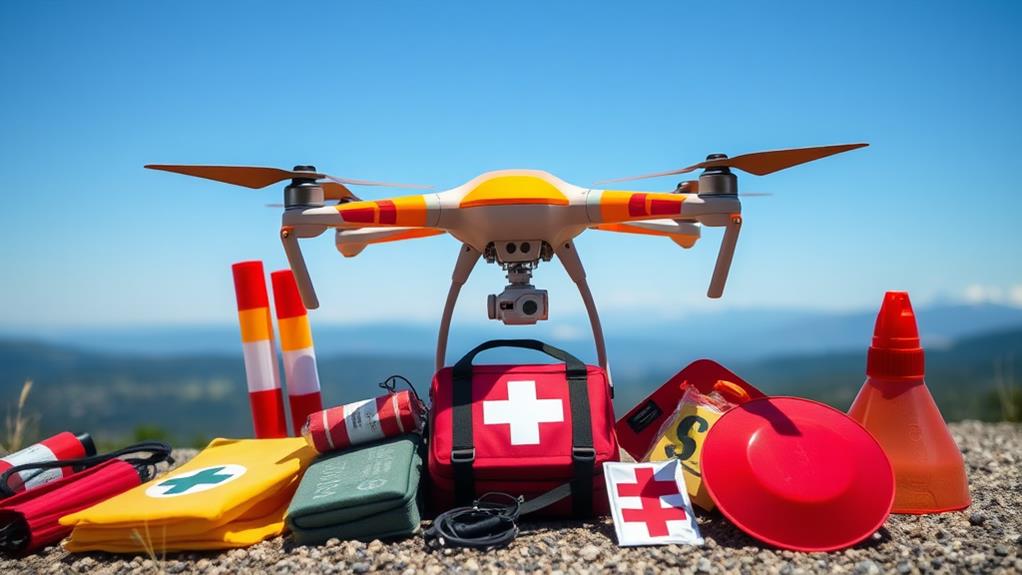
When flying your drone, it's essential to be prepared for emergencies like signal loss or battery failure.
Understanding emergency landing techniques and having a clear signal loss protocol in place can make all the difference in avoiding crashes.
Emergency Landing Techniques
Emergency landing techniques are essential skills every drone pilot should regularly practice. Familiarizing yourself with your drone's emergency landing procedures is a must, as each model may have different protocols for addressing in-flight emergencies.
Before you take off, establish a designated emergency landing area that's free from obstacles and offers enough space for a safe descent.
Regularly practicing controlled descents and autorotation techniques can appreciably improve your response time during critical situations.
Always monitor battery levels; if you receive a low battery warning, it's time to initiate your emergency landing procedure promptly to prevent a crash.
Utilizing failsafe features like return-to-home (RTH) or automatic landing can enhance your safety during unexpected signal loss or control issues.
These features can automatically guide your drone back to a predetermined point or land it safely without your input.
Signal Loss Protocols
Facing signal loss can be an intimidating situation for any drone pilot, but having a solid protocol in place can mitigate panic and guarantee safety. Start by programming a failsafe into your drone that triggers a predetermined action, like returning to home, if signal loss occurs. This prevents total loss of control and sets you on the path to recovery.
Regular maintenance and pre-flight checks assure airworthiness, and understanding drone functionalities can further enhance your preparedness for unexpected signal issues.
Prior to any competitive flight, conduct thorough pre-flight checks to ascertain all antennas and signal equipment are functioning properly. Familiarize yourself with the signal loss protocols outlined by your drone's manufacturer, as different models may have varying recovery methods.
Regularly practice emergency landing maneuvers in safe environments, allowing you to respond quickly and effectively should signal loss happen. Staying aware of your surroundings and maintaining visual line of sight with your drone can greatly improve your ability to regain control.
Situational awareness is vital; it helps you anticipate potential issues before they escalate.
Battery Failure Responses
Monitoring your drone's battery health is essential to prevent mid-flight failures that can jeopardize your safety and the integrity of your equipment. Always check voltage levels during the flight and take corrective action if you notice any irregularities.
An effective pre-flight checklist should include verifying battery charge status and inspecting connections to minimize the risk of failure.
Familiarizing yourself with the drone's battery failsafe settings is vital. These settings can automatically guide your drone back to a designated home point or initiate a safe landing if the battery runs low.
Conduct regular practice drills for emergency landings due to battery failure, so you can execute these maneuvers calmly and effectively under pressure.
Additionally, keep spare batteries on hand, ensuring they're properly stored and charged. This enables quick replacements to minimize downtime in competitive scenarios.
With these strategies in place, you can focus on your performance while knowing you're prepared for any battery-related emergencies.
Prioritizing battery health and implementing these responses not only enhances your safety but also boosts your overall flying experience. Stay proactive, and you'll be ready for whatever challenges come your way.
Maintenance and Battery Safety
Proper drone maintenance and battery safety are essential for ensuring a successful flight experience. To maintain peak performance, implement a thorough maintenance plan that includes regular inspections of all drone components. Before each flight, check propellers, motors, and cameras for any signs of wear or damage.
Battery safety is vital; always use manufacturer-approved batteries and chargers. Monitor battery temperatures during charging to prevent overheating, which can lead to fires. Store your batteries in a cool, ventilated area away from heat sources, as extreme temperatures can reduce battery performance and lifespan.
Conduct regular pre-flight checks to verify battery levels, ensuring they're fully charged and within safe operating limits for your expected flight duration.
Keeping detailed records of battery usage and charging cycles is also important. Tracking these records helps you identify performance trends and spot potential issues early, allowing for timely maintenance.
Weather Awareness Practices
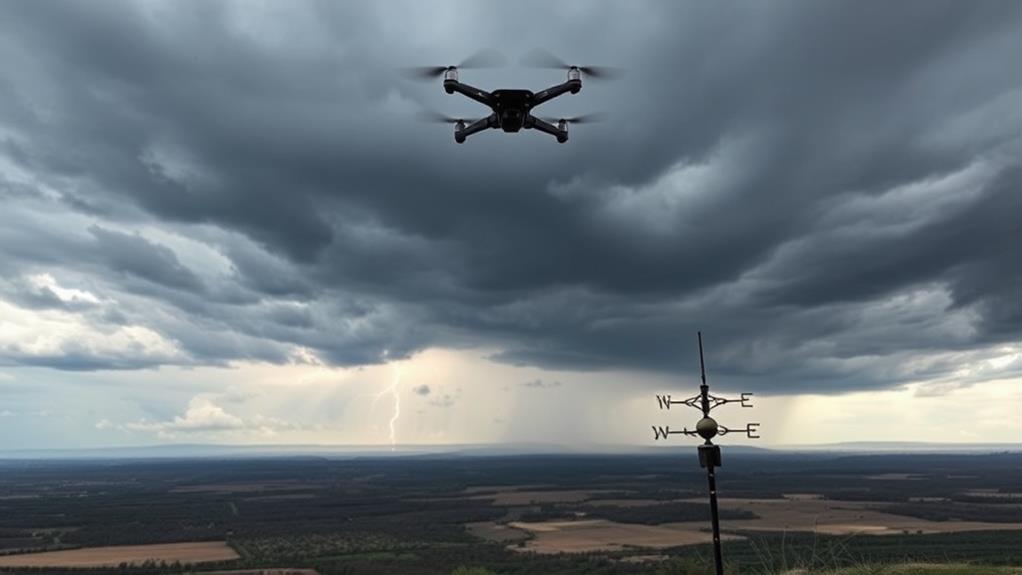
When flying your drone, staying aware of the weather is vital for a safe and successful experience.
Regularly monitor weather conditions, as factors like high winds or sudden temperature changes can impact your drone's performance and battery life.
Always be prepared for unexpected weather shifts, so you can make quick decisions that keep your flight safe and effective.
Monitor Weather Conditions Regularly
Consistently checking weather conditions is essential for safe drone operation. As a competitive drone pilot, you'll want to avoid flying in adverse conditions like high winds, rain, or storms, as these can greatly impair your drone's performance and safety.
Regularly monitor weather conditions by checking local forecasts and updates before each flight.
Pay attention to temperature fluctuations, since extreme heat or cold can affect battery efficiency, potentially leading to mid-flight failures.
Be cautious of localized weather phenomena, such as sudden wind gusts or visibility changes, which may occur even on seemingly good days.
Utilize apps and tools that provide real-time weather alerts and radar information, allowing you to stay informed about rapidly changing weather during your operations.
Always keep an eye on the weather thresholds specific to your drone model; exceeding these limits could compromise your safety and lead to regulatory violations.
Understand Weather Impact Factors
Understanding how various weather factors impact your drone operation is crucial for maintaining safety and performance. High winds can greatly affect stability and control, so it's best to avoid flying in wind speeds exceeding 15 mph.
Additionally, temperature extremes can impact battery efficiency; colder weather may reduce flight time, while warmer conditions might lead to overheating. Always monitor your battery health in varying temperatures.
Rain, snow, and excessive humidity can damage drone components and impair visibility. Before you fly, check weather forecasts to avoid adverse conditions.
Sudden weather changes, like gusts or thunderstorms, pose immediate risks, so continuously monitor weather updates during your flight operations.
Furthermore, understanding localized weather phenomena, such as microclimates or wind shear, is crucial for evaluating flight conditions. These factors can create unexpected hazards during competitive events.
Prepare for Sudden Changes
Weather can be unpredictable, making it essential for drone pilots to stay vigilant and prepared for sudden changes. By understanding how weather conditions affect your flight, you can maintain safety and optimize performance.
- Check weather forecasts before flying.
- Use reliable apps for real-time updates.
- Recognize signs of oncoming weather, like darkening skies.
- Establish safe landing zones in advance.
Sudden shifts, such as wind gusts or rain, can impact your drone's performance greatly. Always stay informed about the specific weather thresholds that affect your drone model, as extreme temperatures can reduce battery life and sensor functionality.
When you notice signs of adverse weather, you'll want to be ready to make quick decisions, whether that means aborting the flight or finding an alternate route.
Maintain a contingency plan that includes emergency procedures and predetermined safe landing zones. This preparation guarantees you're ready for any unexpected changes in your flight area.
Staying updated with localized weather information will help you navigate challenges effectively, allowing you to enjoy flying while prioritizing safety.
Community Engagement and Trust
Engaging with local communities is crucial for drone pilots looking to build trust and reduce concerns about their operations. Community engagement fosters a positive perception of drone usage and highlights the safety and benefits of your drone operations. By participating in public awareness campaigns, you can enhance understanding and trust in the technology.
Attend community events or open forums where you can answer questions directly, fostering transparency and collaboration. This personal interaction can demystify your activities and alleviate fears about drones in the sky. Sharing success stories, such as using drones for search and rescue missions or environmental monitoring, illustrates the value drones bring to the community.
Establishing clear communication channels with community members is another crucial step. Keeping the public informed about your drone activities can greatly mitigate concerns and promote a sense of safety.
When residents feel included and informed, they're more likely to support your work and view drones positively. Remember, building trust is a gradual process, but by prioritizing community engagement, you can achieve lasting relationships that benefit both you and the locals.
Conclusion
In summary, prioritizing safety as a competitive drone pilot is vital for your success and the well-being of those around you. By following regulatory guidelines, mastering your flight operations, and staying prepared for emergencies, you'll guarantee a smooth flying experience. Remember, it's better to be safe than sorry. Engaging with the drone community also fosters trust and promotes responsible flying. So, take these tips to heart, and you'll be soaring to new heights in no time!
Leave a Reply