
Enhancing your drone piloting skills through video analysis is highly effective. This method lets you identify control issues and improve your maneuver execution. By reviewing flight footage, you can pinpoint inconsistencies and assess your adherence to safety protocols. You'll gain immediate feedback that fosters a mindset of continuous improvement. Techniques like slow-motion playback and frame-by-frame reviews help you detect subtle errors and refine your flying style. Tracking your progress over time solidifies gains and builds confidence. As you explore this approach further, you'll discover even more strategies to elevate your piloting proficiency.
Benefits of Video Analysis

When you incorporate video analysis into your training, you activate a powerful tool for enhancing your drone piloting skills. By reviewing your flight footage, you can pinpoint specific control issues and flaws in your maneuvers. This objective evaluation leads to a smoother flying technique, as you gain insights into what works and what doesn't during your flight training.
Understanding essential drone operations is fundamental, and video analysis can help you identify areas where your mastery of flight controls may need improvement.
Video analysis accelerates skill development by providing immediate feedback. You can critically assess your performance, uncovering errors you might've overlooked during the actual flight. This self-assessment empowers you to focus on the areas that need improvement, making your practice sessions more effective.
Moreover, documenting your flights creates a valuable resource. You can track your progress over time, visually witnessing your advancements and refining your techniques accordingly.
Just like athletes review game footage to improve, drone pilots can use video analysis to elevate their skills. Incorporating this method into your training regimen not only enhances your drone piloting skills but also fosters a mindset of continuous improvement, ensuring you become a more proficient pilot.
Identifying Skill Gaps
Identifying skill gaps is essential for any aspiring drone pilot. Video analysis serves as a powerful tool to highlight areas that need improvement, allowing you to refine your abilities effectively. By reviewing your flight footage, you can pinpoint specific inconsistencies and better understand your skill development.
Additionally, focusing on mastering flight basics can enhance your overall control and confidence in the air. Here are three key areas to focus on:
- Control and Maneuver Execution: Video footage can reveal where you might be making abrupt movements or struggling with altitude control.
- Adherence to Safety Protocols: You can assess whether you're maintaining a visual line of sight and avoiding no-fly zones, which are vital for responsible flying.
- Comparative Analysis with Best Practices: By comparing your performance against industry standards, you'll gain objective insights into your flying techniques.
Through self-assessment with video analysis, you'll track your progress over time, gaining a clearer understanding of your strengths and weaknesses.
This targeted approach to skill development not only enhances your capabilities as a drone pilot but also boosts your confidence, ensuring that you're prepared for any flying challenges ahead.
Techniques for Effective Review
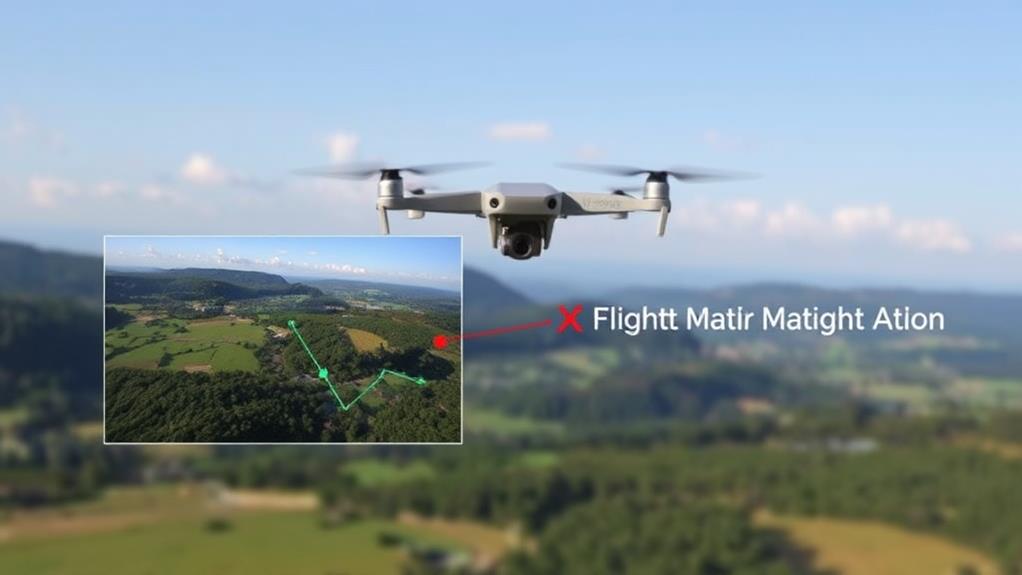
To enhance your drone piloting skills, effective review techniques are essential. By utilizing video playback strategies, you can pinpoint specific flight techniques that need improvement, such as how you handle turns or land your drone.
Additionally, analyzing camera settings can help you capture footage that provides the clearest insights into your flying habits and performance. Understanding the fundamentals of drone cinematography can also contribute to more effective self-assessment, ensuring you recognize areas for growth in both piloting and videography.
Video Playback Strategies
Effective video playback strategies can greatly enhance your drone piloting skills. By using these techniques during your drone training sessions, you'll improve your ability to fly a drone with precision and confidence.
Here are three essential strategies to evaluate:
- Slow-motion analysis: Utilize playback software with slow-motion capabilities to closely examine specific maneuvers. This helps identify areas for improvement in control and stability during flight.
- Repetitive viewing: Focus on challenging segments by watching them repeatedly. This allows you to grasp the nuances of flight patterns and refine your technique through detailed observation.
- Frame-by-frame playback: Employ this method to detect minor errors in execution, like abrupt movements or timing issues. By identifying these flaws, you can make targeted corrections in future flights.
Additionally, compare your footage against professional drone pilots' videos to benchmark your performance.
Documenting your observations in a flight log will help track your progress and establish a structured plan for skill enhancement over time.
With these video playback strategies, you'll leverage drone technology effectively, paving the way for your growth as a skilled drone pilot.
Identifying Flight Techniques
When reviewing your flight footage, focus on specific techniques that can elevate your piloting skills. Video analysis offers you a unique opportunity to dissect your drone flying habits, allowing you to see what really happens during your flights. Look for control smoothness and how effectively you execute maneuvers. Are your turns too abrupt? Is your altitude control consistent? Pinpointing these aspects can help you identify areas for improvement.
Common mistakes often stand out in video analysis, such as sudden movements or poor framing. Recognizing these errors enables you to adopt more fluid and precise flying techniques. Establishing performance benchmarks through your footage can also be incredibly beneficial. By tracking your progress over time, you can set attainable goals for skill enhancement.
Incorporating feedback from your video analysis into practice sessions encourages a systematic refinement of your flying techniques. This process leads to gradual improvements in your overall flying ability.
As you become more aware of your strengths and weaknesses, you'll develop a more confident and proficient piloting style. Keep reviewing your footage, and watch your skills soar!
Analyzing Camera Settings
Reviewing your flight footage provides an excellent chance to assess not just your flying techniques but also the camera settings that can greatly influence your video's quality. By analyzing camera settings, you can enhance your drone's performance and adapt to various environmental factors.
Here are three key settings to focus on:
- ISO Levels: Adjust these based on lighting conditions; lower settings work best in bright environments, while higher settings help in low light.
- Shutter Speed: Evaluate this during playback to spot motion blur. Faster shutter speeds are vital for capturing moving subjects clearly.
- Aperture Settings: Experimenting with wider apertures can create a beautiful depth of field, blurring backgrounds and emphasizing your subject.
Additionally, pay attention to white balance to correct color inaccuracies and guarantee true-to-life visuals, especially in varied lighting.
Understanding resolution and frame rates is essential as well; higher frame rates are ideal for action sequences, giving you smooth motion.
Enhancing Situational Awareness
To enhance situational awareness, drone pilots can leverage the power of video analysis. By reviewing recorded flight footage, you can pinpoint moments when your situational awareness may have slipped, such as encountering obstacles or reacting to unexpected changes in the environment. This vital assessment helps you develop a deeper understanding of your spatial awareness, allowing you to anticipate and respond to potential hazards more effectively.
Video analysis also lets you observe your decision-making processes in real time, improving your judgment for future flights. As you focus on situational awareness during your review, you might recognize patterns indicating overconfidence or distractions, which can inform better practices moving forward.
For instance, incorporating slow-motion playback of significant flight moments allows you to dissect your reactions to unforeseen challenges, refining your skills for the next mission.
Ultimately, enhancing your situational awareness through video analysis guarantees that you're not just flying a drone but doing so with a keen understanding of your surroundings, leading to safer and more effective operations. Embracing this approach can elevate your piloting skills and confidence, making you a more proficient drone pilot overall.
Implementing Feedback Loops
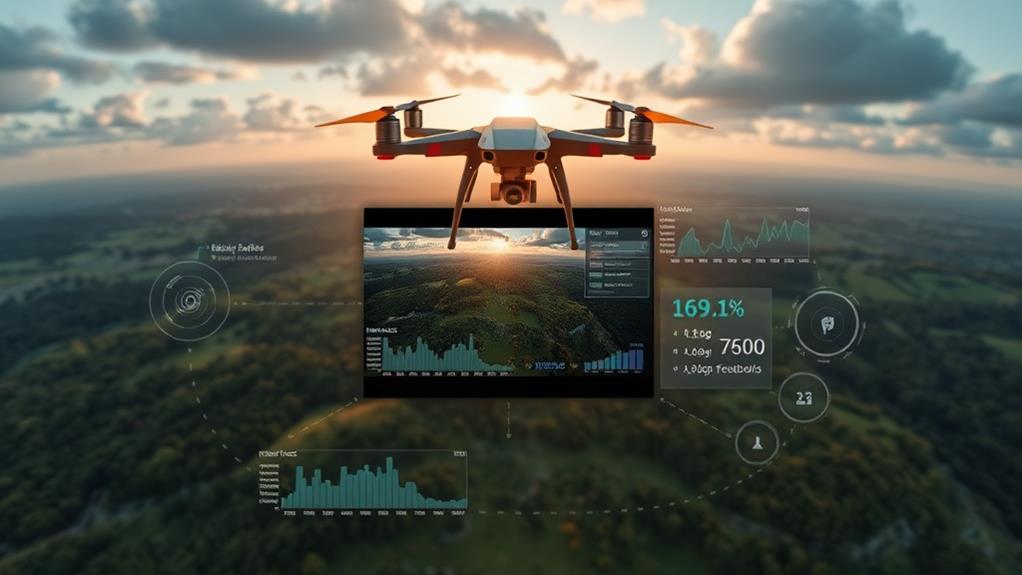
Implementing feedback loops is essential for mastering drone piloting skills. By utilizing video analysis, you can review your flight footage and pinpoint areas for improvement. This process creates a continuous cycle of learning and refinement, enhancing your overall performance.
Here are three steps to establish effective feedback loops:
- Review your footage: Watch your recorded flights to assess control smoothness and execution of maneuvers. Don't just look for mistakes; focus on what you did well too.
- Identify specific areas for improvement: Use the insights gained from video analysis to recognize overlooked errors and adjust your techniques accordingly. This critical assessment is key to progress.
- Practice with intention: After identifying areas for improvement, apply what you've learned in practice sessions. This iterative approach reinforces your learning and accelerates skill development.
Tracking Progress Over Time
Tracking your progress over time is essential for becoming a skilled drone pilot. To effectively monitor your development, keep detailed flight logs that document weather conditions, flight duration, and battery usage. This practice helps you identify patterns in your flying behavior, enhancing your understanding of your strengths and areas for improvement.
Regularly review your video analysis of flights to facilitate self-assessment. Observing your control smoothness and maneuver execution allows you to target specific improvements.
Engaging in skill challenges is another effective strategy. By documenting your performance during these challenges, you establish benchmarks that encourage you to push your limits and refine your techniques. Utilizing telemetry data during flights provides real-time performance metrics, enabling you to analyze your flying abilities and make informed adjustments for future sessions.
Consistent video analysis, combined with peer feedback, can reveal overlooked errors and suggest new techniques. This collaborative approach further enhances your skill set as you track your progress.
Conclusion
Incorporating video analysis into your drone training is like having a coach by your side, guiding you to improve. By identifying skill gaps, enhancing situational awareness, and implementing feedback loops, you can elevate your piloting abilities greatly. Tracking your progress over time not only boosts your confidence but also guarantees you're always moving forward. Embrace video analysis to refine your skills, stay sharp, and become the best drone pilot you can be. Your journey starts now!
Leave a Reply